
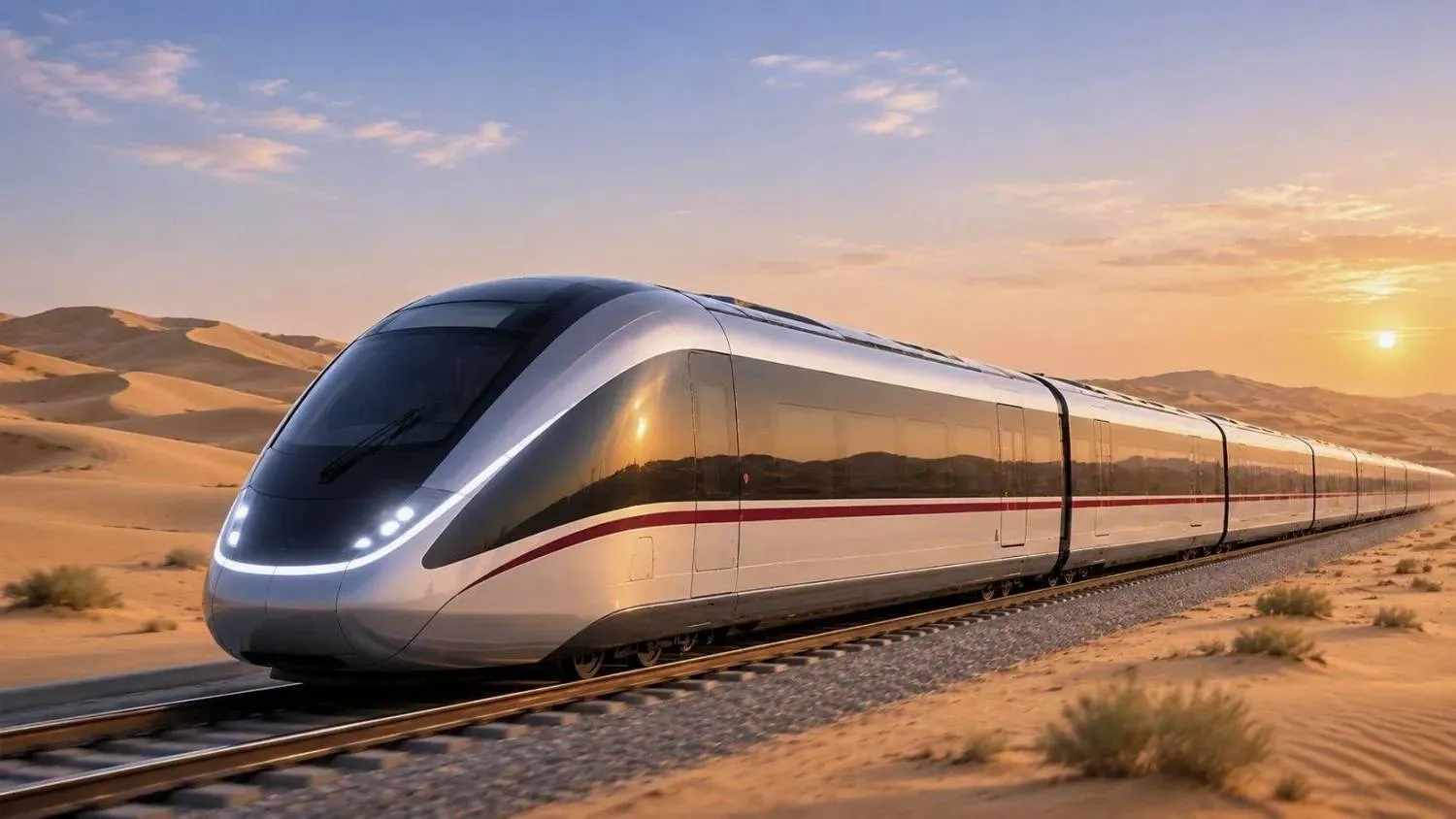
The recent agreement signed in Bahrain marks a significant milestone for the Gulf railway project, a key initiative aimed at enhancing transportation connectivity among the member states of the Gulf Cooperation Council (GCC). This agreement lays the groundwork for each country to take financial responsibility for its portion of the project, indicating a collaborative spirit among the GCC nations to strengthen their economic ties.
Dr. Sheikh Abdulla bin Ahmed Al Khalifa, Bahrain’s Minister of Transportation and Telecommunications, emphasized that this development is pivotal in establishing a well-integrated transport network. The railway project aims to facilitate smoother movement of passengers and goods across the six nations, which include Saudi Arabia, Kuwait, the United Arab Emirates, Oman, Qatar, and Bahrain.
This railway project is not merely a transportation initiative; it is strategic for boosting commercial trade and fostering economic integration within the region. The GCC has been exploring ways to diversify its economies away from oil dependency, and enhanced transport infrastructure is crucial for this transition. By improving connectivity, the railway will enable better logistics and supply chain operations across the Gulf, enhancing the region’s competitiveness on the global stage.
Comparatively, similar projects in other regions, such as Europe’s high-speed rail network, have demonstrated the economic benefits of integrated transport solutions. The Gulf’s geographical proximity and the existing trade relationships among GCC countries render this railway project particularly promising. Investors and businesses can expect a ripple effect—an increase in trade volumes and opportunities for economic collaboration.
Moreover, the financial commitment from individual countries signifies a unified approach to the project. With nations pooling resources and expertise, it could expedite not only construction but also operational efficiency once established. This model could attract international investors looking for stable returns in emerging markets, especially in infrastructure development.
Looking ahead, the Gulf railway initiative holds the potential to reshape the economic landscape of the region. As the project progresses, it will likely open avenues for further investment and business opportunities. It will be essential for stakeholders to monitor the development closely, as the successful implementation of the railway could serve as a benchmark for other infrastructural endeavors in the region, potentially positioning the GCC as a model for regional cooperation and economic integration.
Leave a Reply