
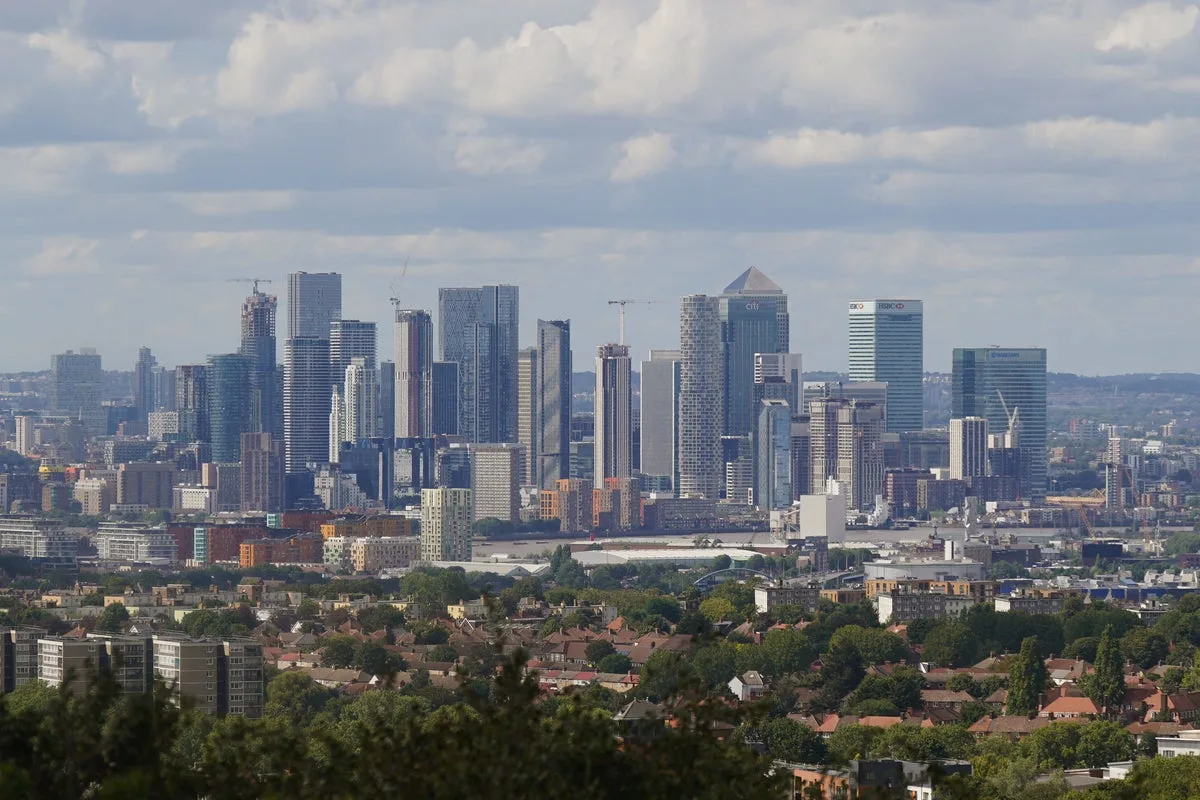
The recent rise in oil prices has contributed to significant concerns among investors, as reflected in the decline of the FTSE 100 index. As market volatility escalates, investors are increasingly apprehensive about the potential implications for economic stability, particularly in the wake of fluctuating energy costs.
This downturn in the FTSE 100 is particularly noteworthy given the historical relationship between oil prices and stock market indices. Higher oil prices can strain consumer spending and increase production costs for various sectors, leading to a ripple effect across the economy. The latest uptick in oil prices poses further challenges for companies operating in the Gulf region, where energy costs are a crucial factor in profitability.
For the United Arab Emirates and the broader Gulf Cooperation Council (GCC), the effects of increasing oil prices are multifaceted. While higher oil prices could boost government revenues in oil-exporting nations, they can also lead to increased inflation and economic uncertainty. Investors in the region are likely to scrutinize how higher energy costs will affect corporate earnings and economic growth, particularly in sectors heavily reliant on energy inputs.
Comparatively, the performance of the FTSE 100 has been weaker than some other global indices amid this oil price increase, highlighting a divergence in market sentiment. In contrast, indices in the Middle East have often responded positively to rising oil prices, reflecting the region’s economic dependencies. This discrepancy raises questions about the resilience of the UK market under similar conditions, suggesting a potential divergence in recovery trajectories between these regions.
As investors digest the implications of escalating oil prices, the focus is shifting toward potential strategies for risk mitigation. Portfolio diversification and investments in sectors less impacted by energy costs may become prioritized as a way to navigate this volatility. The ongoing global energy transition could also lead investors to explore alternative energy investments, which might offer new opportunities amidst rising fossil fuel prices.
In conclusion, while the rise in oil prices poses challenges for the FTSE 100 and investor confidence, it also opens a dialogue about the greater effects on the UAE and Gulf economies. Observing how these dynamics unfold in the coming months will provide essential insights into market resilience and investor confidence in both local and international contexts.
Leave a Reply