
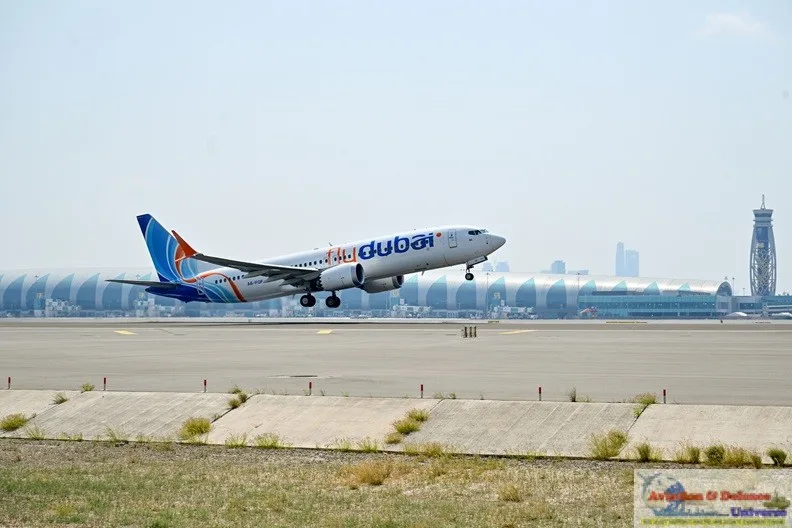
Dubai International Airport (DXB) is experiencing a resurgence in passenger traffic, welcoming a total of 31.5 million guests during the first half of the year. This figure marks a significant increase, reflecting a gradual return to pre-pandemic levels as travel restrictions ease and demand for international travel rises.
In particular, the second quarter of 2026 has shown promising trends, with an average of 1.5 million passengers traveling through DXB each month. This steady growth indicates a recovering aviation sector in Dubai, bolstered by increased airline capacity and ongoing investments in airport infrastructure. Stakeholders are optimistic about maintaining this upward trajectory as we move into the latter half of the year.
Dubai International Airport remains a key player in the global aviation landscape, catering to a diverse range of travelers, including business passengers and tourists. Its strategic location serves as a vital hub connecting East and West, which plays a crucial role in its traffic levels. Comparatively, airports in the region, such as Abu Dhabi International and Hamad International in Qatar, are also seeing increases in passenger numbers, intensifying competition among Gulf airports to capture a larger share of the market.
The surge in traffic is not only essential for the airport’s profitability but also serves as a barometer for the local economy. The resurgence of tourism, coupled with Dubai’s status as a global business hub, signals robust recovery efforts that are vital for various sectors such as hospitality, retail, and entertainment. Investors looking to capitalize on this growth must consider the interconnectedness of aviation traffic with economic health, as stronger airport performance typically leads to increased consumer spending.
As DXB continues to welcome more travelers, the future looks promising. Upcoming projects aimed at expanding airport facilities and enhancing customer experiences are set to further solidify Dubai’s position as a leading travel and trade hub. Looking ahead, maintaining a strong focus on adapting to traveler needs and preferences will be essential in retaining and attracting visitors. Furthermore, investing in sustainable practices can boost the airport’s appeal as airlines and passengers increasingly prioritize environmentally friendly options.
As the aviation sector ramps up operations, stakeholders should monitor trends closely. Analyzing the ongoing changes in the market dynamics will reveal emerging opportunities for investment and growth, particularly within the tourism and transportation sectors. The strong performance of DXB sets a positive precedent for future developments in the region’s economy, fostering an environment that encourages continued investment and innovation.
Leave a Reply