
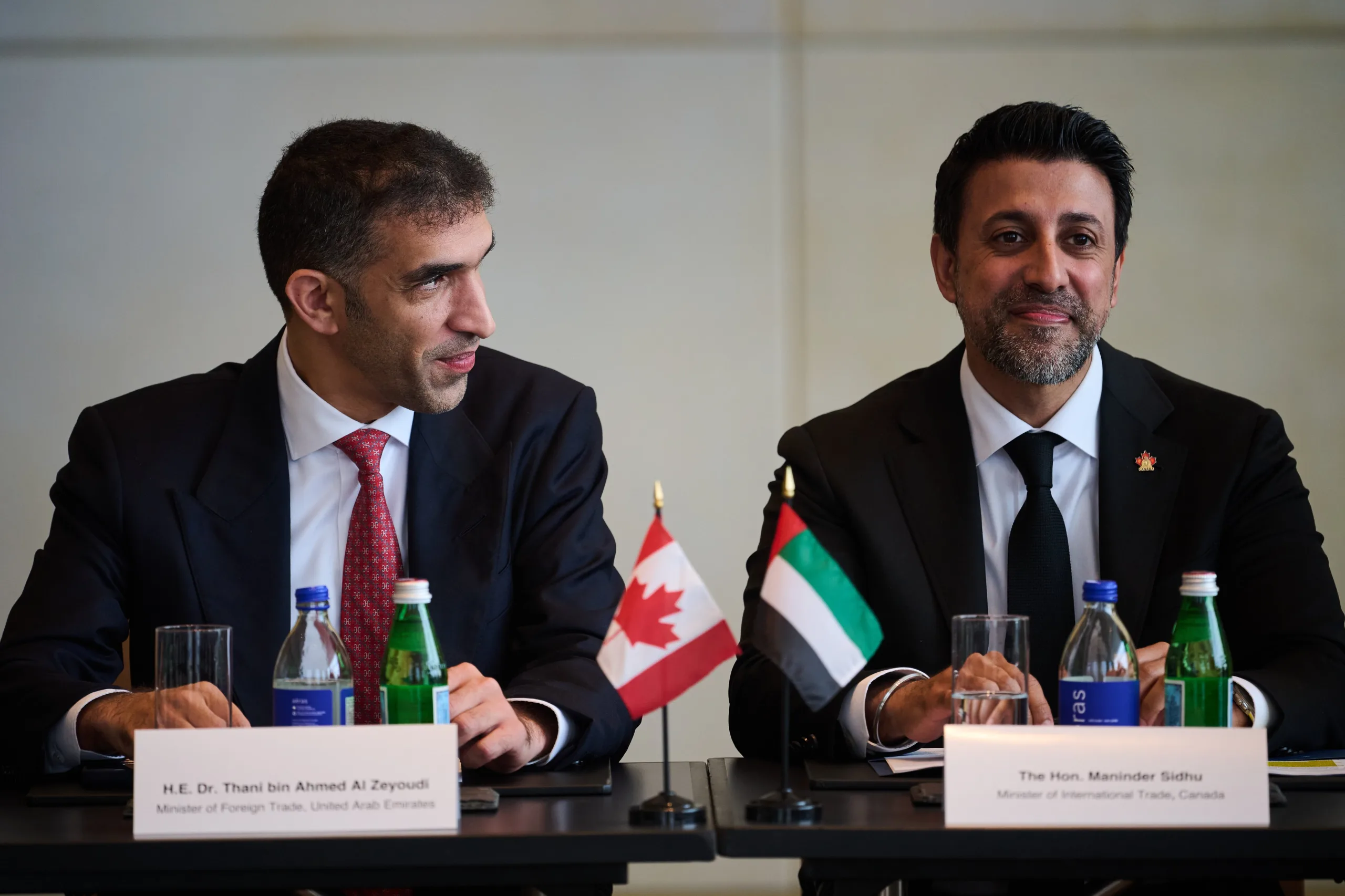
In a significant move for international trade relations, Canada and the United Arab Emirates (UAE) have formalized a free trade agreement aimed at enhancing economic collaboration. This arrangement is expected to reduce tariffs and eliminate various trade barriers that have previously limited market access for Canadian businesses in the UAE.
The free trade deal marks a pivotal step in strengthening ties between the two nations, fostering a more integrated economic landscape. The agreement is particularly vital as it provides Canadian exporters with improved access to one of the fastest-growing markets in the Gulf region, allowing them to benefit from a more streamlined trade process.
The economic implications of this deal extend beyond simple trade facilitation; it sets the stage for broader investment opportunities, especially in the energy sector. Both countries have expressed an interest in pursuing collaborative projects that harness the UAE’s energy resources alongside Canadian technology and expertise, hinting at forthcoming investment deals that may materialize shortly.
The UAE, with its rich energy reserves and strategic location, presents an appealing opportunity for Canadian companies, especially in terms of renewable and sustainable energy projects. As global energy markets shift toward greener alternatives, this partnership could position both countries at the forefront of the energy transition, diversifying their economies beyond traditional oil and gas dependency.
Moreover, this agreement has the potential to reshape the competitive landscape in the Gulf region. As Canada enhances its presence in the UAE, it may influence other nations to rethink their trade strategies. Countries like Australia and the UK have also been active in forming trade alliances within the Gulf, suggesting that this region will be a battleground for economic influence in the coming years.
With the recent advancements in this Canada-UAE trade pact, businesses and investors should closely monitor developments as they unfold. As both nations explore further commitments in the energy sector, opportunities for joint ventures and strategic partnerships could emerge, inviting more players into this promising market. Stakeholders should prepare to leverage the new advantages that this trade agreement affords, ensuring they are positioned to capitalize on the evolving market dynamics.
Leave a Reply