
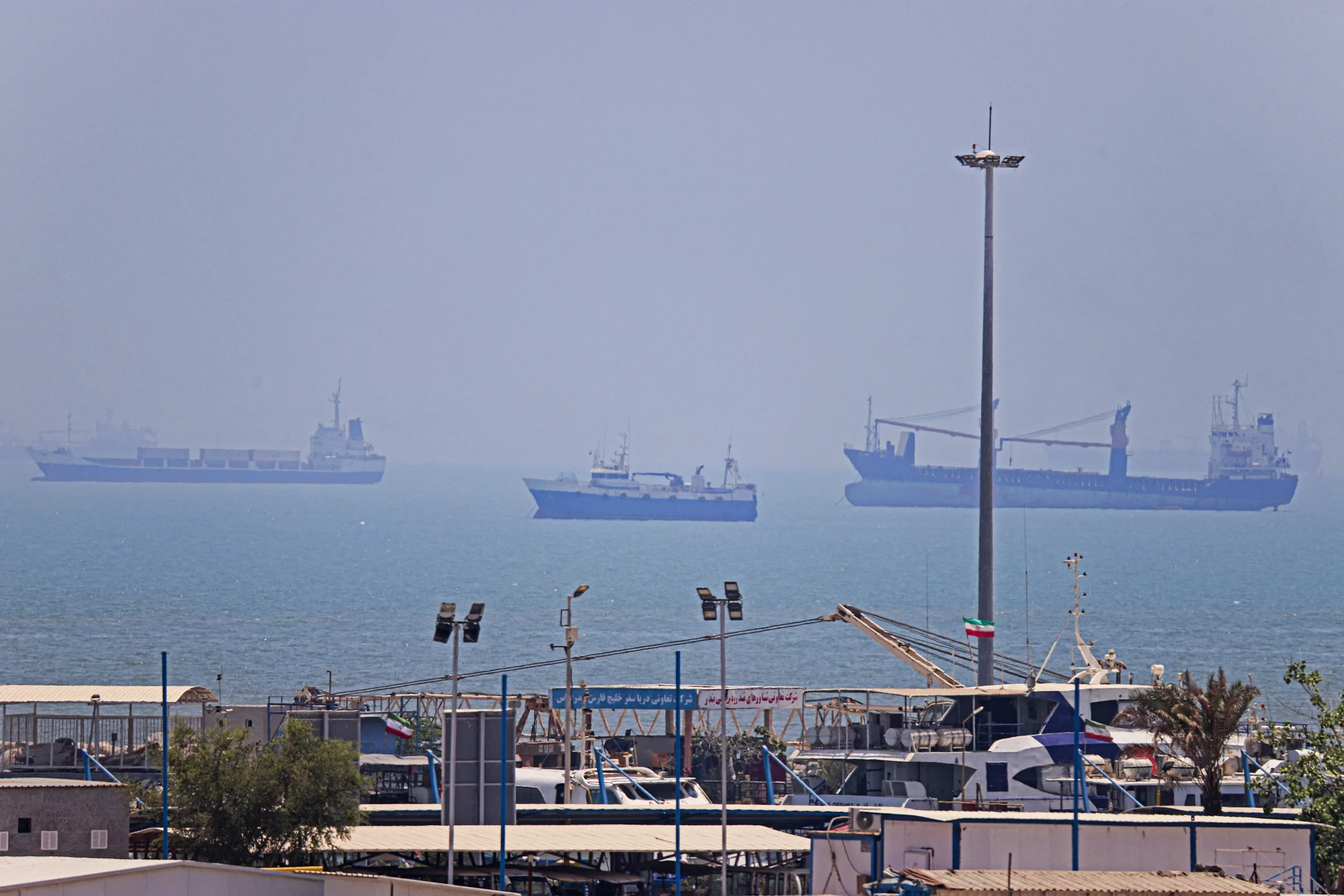
On Monday, oil prices in the Strait of Hormuz experienced a significant surge of 9.6%, marking the largest daily increase for Brent crude since 2020. This spike came on the heels of a renewed US naval blockade against Iran that was reinstated by former President Trump. The escalation of geopolitical tensions has raised concerns among investors and analysts alike about the implications for global oil supply and prices.
The current state of the US Strategic Petroleum Reserve (SPR) adds to the urgency of the situation, as it has dropped to its lowest level in 43 years. This reduction in the emergency reserve diminishes the buffer that the government typically relies on during supply disruptions, making the US oil market increasingly vulnerable to external shocks. Experts are now revisiting projections that suggest prices could rise to $100 per barrel, given the unfolding crisis in the Gulf region.
The collapse of the ceasefire in the Gulf not only heightens the potential for increased oil prices but also threatens to undermine the fragile inflation relief witnessed in recent months. For the UAE and the broader Gulf region, higher oil prices could lead to both positive and negative outcomes. On one hand, increased revenue from oil exports could bolster national economies, while on the other, higher energy costs could exacerbate inflationary pressures on consumers.
Leave a Reply