
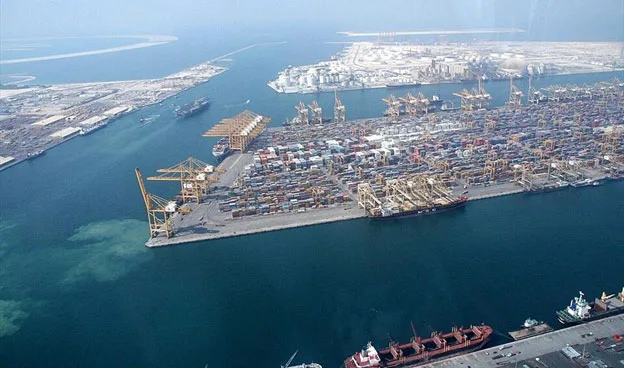
The Arab region, with its rich economic potential and strategic geographical location, remains significantly underrepresented in the global trade landscape. A recent United Nations report highlights that only 14 out of the 22 Arab nations are members of the World Trade Organization (WTO). This limited participation poses a challenge as these countries may miss critical opportunities for enhanced economic integration and access to international markets.
The lack of engagement in the WTO framework places the remaining Arab states at a disadvantage, potentially impacting their economic growth and development goals. Membership in the WTO provides countries with crucial benefits, such as better negotiating power in trade agreements, access to a broader market, and a platform to address trade disputes effectively. The underrepresentation of Arab states reflects a larger trend in international trade dynamics, where significant regions remain outside global trading systems.
This situation is particularly pertinent for the Gulf Cooperation Council (GCC) nations and their pursuit of economic diversification amid fluctuating oil prices. By increasing participation in the WTO, these nations could enhance their appeal to foreign investors, foster innovation, and ultimately contribute to a more sustainable economic future. Addressing the barriers to WTO membership should be a priority for policymakers in the region, aiming to unlock the vast potential of the Arab economies.
Leave a Reply