
The new Blue Line metro project in Dubai is generating significant interest among daily commuters and the travel industry since its announcement in 2023. Scheduled to open on September 9, 2029, this date coincides with the 20th anniversary of the city’s original Red Line, which launched in 2009. The expansion is part of a major AED 20.5 billion initiative aimed at improving public transport connectivity throughout Dubai, with substantial implications for tourism, business travel, and urban mobility.
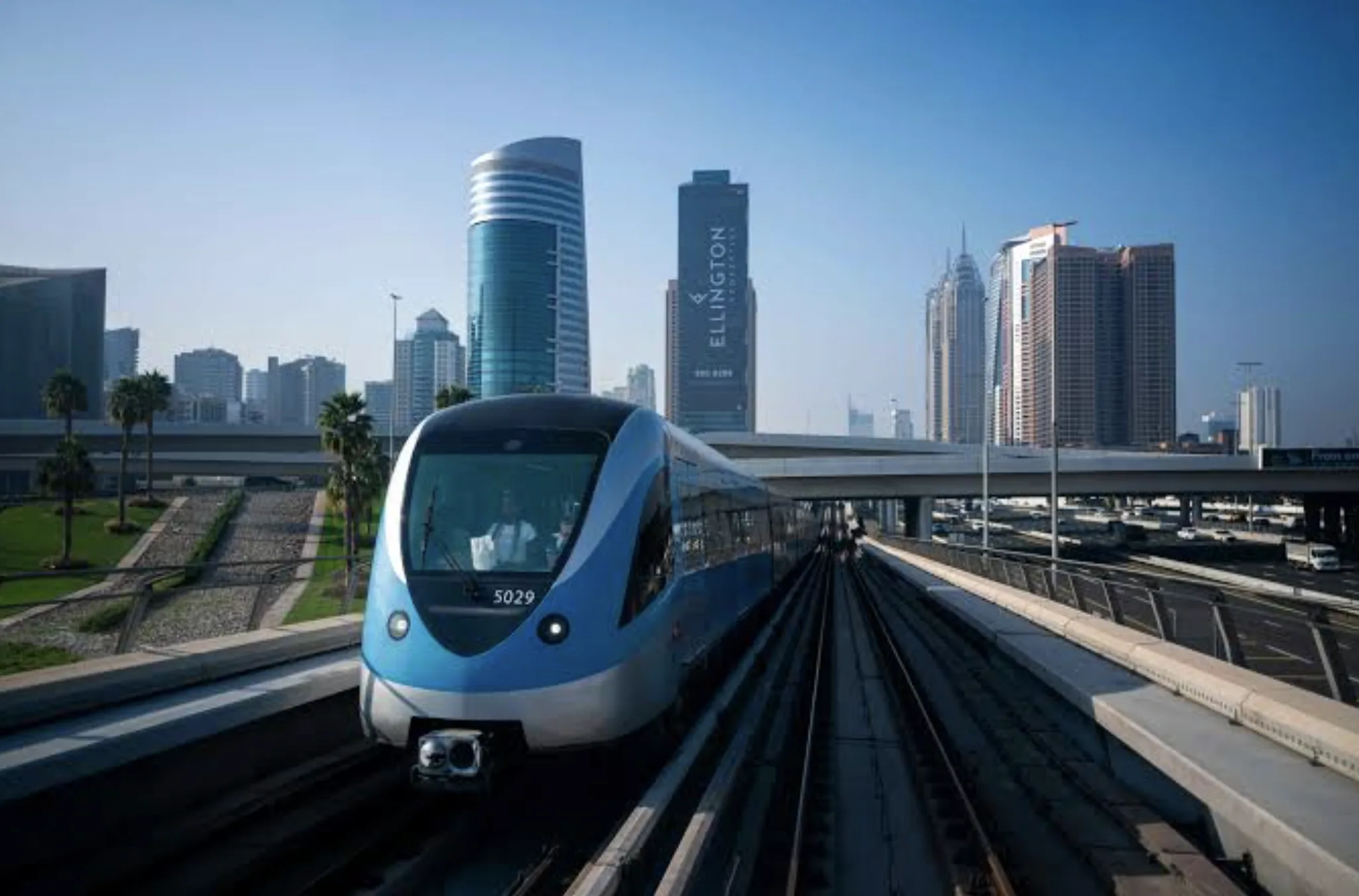
This project is designed to enhance transit convenience for both residents and visitors, further solidifying Dubai’s status as a leading global travel hub. For international travelers, the Blue Line promises improved access to key destinations, faster connections, and a more seamless transit experience within one of the world’s fastest-growing metropolitan areas.
The Blue Line will cover a total of 30 kilometers with two main routes, connecting Dubai’s most densely populated and rapidly developing districts. Route 1 extends 21 kilometers and includes 10 stations, starting at Al Khor Station in Al Jaddaf. This route travels through crucial commercial and residential areas such as Dubai Festival City, Dubai Creek Harbour, Ras Al Khor, and three districts of International City. It continues towards Dubai Silicon Oasis and Dubai Academic City, ultimately ending at the Al Ruwaiyah 3 Depot.
Route 2, which connects to the Red Line, spans 9 kilometers and comprises four stations. It begins at Centrepoint Station in Al Rashidiya, passes through Mirdif and Al Warqaa, and links up with Route 1 at International City.
The dual-route system has been strategically planned to enhance accessibility across the city, ensuring integration of both established neighborhoods and new developments into the metro network. By connecting these areas, Dubai aims to alleviate traffic congestion and improve travel efficiency for commuters and tourists.
Significant design and sustainability features are integral to the Blue Line project. A key highlight is the Dubai Creek Bridge, a new 1.3-kilometer structure that will carry the metro across Dubai Creek. This will be the first bridge dedicated to the metro system, expected to reduce travel times while providing passengers with unique views of the city’s iconic waterway.
The Creek Harbour Station, designed by the renowned architecture firm SOM, is anticipated to become a landmark within the metro network, combining aesthetic appeal with functional efficiency. Additionally, the International City (1) Station is planned to be the largest underground interchange in the network, spanning over 44 000 square meters and accommodating up to 350 000 daily passengers, reflecting the increasing demand for public transit in this rapidly growing urban environment.
Sustainability is a core focus of the project, with all stations and facilities aimed at achieving platinum-level green building standards. This commitment aligns with Dubai’s broader environmental goals, promoting energy efficiency and reducing the metro’s carbon footprint.
Once operational, the Blue Line is expected to provide significant economic and environmental benefits. Traffic congestion on major corridors is projected to decrease by about 20%, alleviating road pressures and improving travel reliability for residents and visitors.
Moreover, the metro expansion is anticipated to boost property values near the new stations by up to 25%, stimulating investment and development in surrounding areas. This increase in real estate value is likely to positively impact local businesses in the retail and hospitality sectors.
By 2040, the total economic and environmental benefits of the Blue Line are forecasted to reach AED 56.5 billion, including reductions in emissions due to decreased car usage, improvements in air quality, and gains in economic productivity from more efficient commuting patterns. Key journeys across the city, such as quick connections to Dubai International Airport, are expected to take between 10 and 25 minutes, enhancing the overall visitor experience and supporting Dubai’s status as a vital aviation hub.
With the introduction of the Blue Line, Dubai’s metro network will span 131 kilometers with 78 stations, solidifying its position as the world’s longest driverless metro system. The advanced scale and sophistication of this autonomous network highlight Dubai’s leadership in urban transit innovation.
The driverless metro system offers numerous advantages, including increased service frequency, enhanced operational safety, and lower running costs. These factors contribute to more reliable and efficient transport, which is essential for international tourists and business travelers seeking seamless mobility.
Dubai’s large-scale adoption of autonomous transit sets a global benchmark, potentially influencing travel trends by encouraging more sustainable and integrated urban mobility solutions worldwide.
The metro expansion will notably impact global travel patterns by enhancing internal connectivity within Dubai. Visitors will have easier access to a wider range of neighborhoods, attractions, and commercial centers without relying on taxis or private vehicles.
The focus on sustainability aligns with the increasing number of environmentally conscious travelers. The platinum-level green building standards reflect Dubai’s dedication to sustainable tourism, supporting global initiatives aimed at reducing travel-related carbon emissions.
As Dubai continues to host international conferences, exhibitions, and major events, the Blue Line will facilitate the efficient movement of large numbers of visitors, reducing logistical challenges and enhancing Dubai’s appeal as a destination for MICE tourism.
Finally, the project is expected to stimulate the local economy, encouraging the development of new hotels, retail outlets, and entertainment venues along the metro corridors. This diversification of offerings will provide tourists with richer experiences and support longer stays in the city.
In summary, the Dubai Metro Blue Line is set to be a transformative development with extensive effects on urban mobility, tourism, and sustainable travel, enhancing Dubai’s connectivity and supporting economic growth while establishing the city as a leading international travel destination for residents and millions of global visitors each year.
Leave a Reply