
A high-level delegation from the United Arab Emirates, which included representatives from the Federal Authority for Nuclear Regulation (FANR) and Cleveland Clinic Abu Dhabi, visited Japan to strengthen bilateral cooperation in advanced radiotherapy, specifically focusing on heavy ion therapy. The visit, led by Christer Viktorsson, Director-General of FANR, aimed to gain insights into Japan’s leadership in heavy ion therapy, covering regulatory frameworks, operational practices, safety protocols, and training programs necessary for building national capacity in utilizing such technologies.
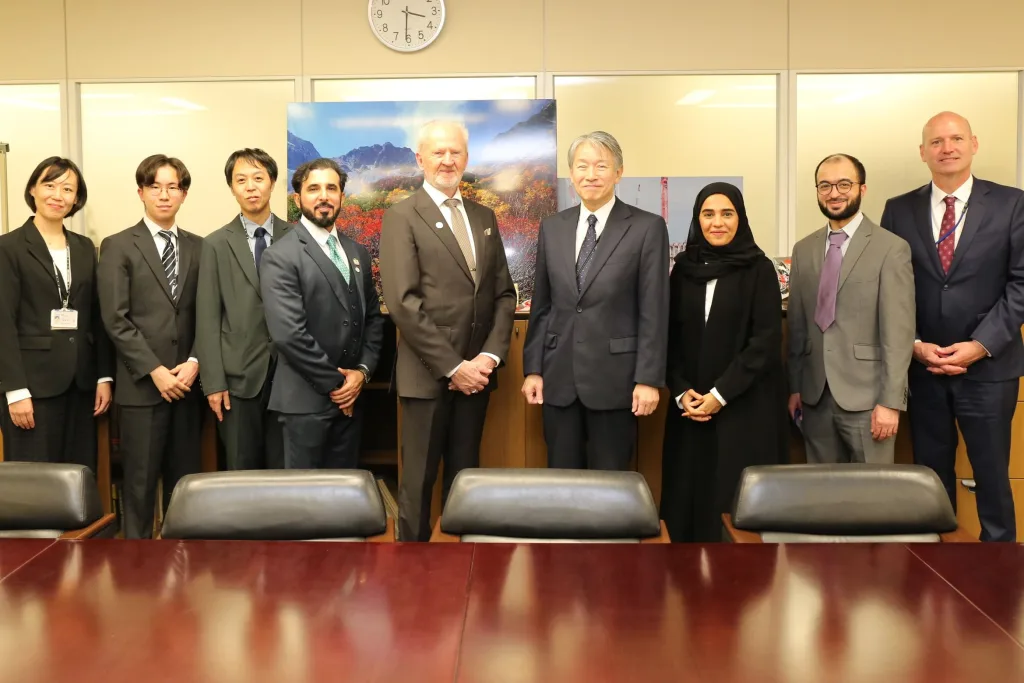
During their trip, the UAE delegation engaged in high-level meetings and technical exchanges with key Japanese institutions. These institutions included Yamagata University’s Heavy Ion Medical Center, the National Institutes for Quantum Science and Technology (QST), the Nuclear Regulation Authority (NRA), and the Nuclear Damage Compensation and Decommissioning Facilitation Corporation. The visit comes on the heels of the UAE’s announcement to establish the region’s first heavy ion therapy center at Cleveland Clinic Abu Dhabi, a significant initiative that highlights the country’s commitment to advancing cancer care and positioning Abu Dhabi as a hub for elite oncology services.
Christer Viktorsson emphasized that this visit showcases FANR’s dedication to ensuring the safe and effective use of radiation in medicine through global collaboration. He noted that Japan’s expertise in advanced radiotherapy and regulatory oversight provides invaluable lessons that will help the UAE realize its vision of becoming a leader in healthcare innovation, enhancing its knowledge-based economy, and promoting medical tourism. The integration of such advanced technologies is expected to elevate the UAE’s global standing in healthcare and scientific research.
Heavy ion therapy is recognized as a sophisticated form of radiotherapy that is particularly known for its precision and effectiveness. It delivers high doses of radiation directly to cancer cells while minimizing damage to surrounding healthy tissue. This treatment is especially beneficial for inoperable or treatment-resistant tumors, including large cancers or liver metastases, and is associated with a reduced treatment frequency and a lower risk of developing secondary cancers.

Additionally, the discussions held by the UAE delegation included topics on regulatory licensing and oversight requirements, safety and operational standards, and the training frameworks necessary to ensure a skilled workforce is in place to safely manage these complex technologies. This visit is part of FANR’s ongoing efforts to strengthen international cooperation while upholding the highest standards of safety, security, and transparency in the UAE’s nuclear and radiation sectors.
Leave a Reply