
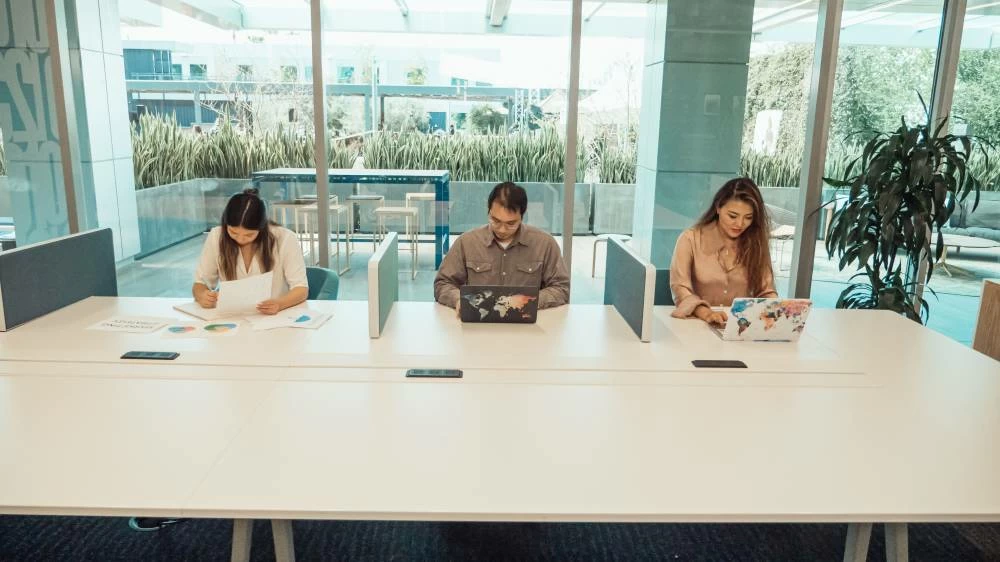
Dubai has long been regarded as a global hub for entrepreneurship and business development. For individuals looking to establish a small-scale business, the traditional requirement of a physical office may not be as critical as once thought. This flexibility can significantly impact startups’ operational costs and their capacity to prioritize growth during the initial phase of their ventures.
Business setup specialists indicate a growing trend where entrepreneurs can secure a business license without committing to a full-fledged office lease. This is especially relevant in Dubai’s dynamic free zones, which offer various alternatives such as using a flexi-desk or a coworking space. Such arrangements allow startups to allocate their financial resources toward scaling their operations rather than being encumbered by office rent.
However, the decision to opt for a physical office space or not should be influenced by specific business needs and not solely financial considerations. Factors like the nature of the business, customer interaction levels, and future expansion plans should guide this choice. For instance, service-oriented businesses that rely on online operations may find that a flexible workspace can meet their needs more efficiently than a traditional office setup.
Several business activities in Dubai are eligible for these flexible office options, including e-commerce, digital marketing services, IT consultancy, and creative industries. These sectors particularly benefit from the low overheads of operating in a non-traditional office environment. Alina Zareen Khan, a senior advisor, emphasizes that the key to success lies in understanding the combination of business activities, licensing jurisdictions, and workspace packages.
While free zones present viable options for businesses to operate without conventional office spaces, it’s essential to note that some restrictions apply. All businesses must secure an approved registered address to operate legally, which means that starting without a private office does not equate to having no physical business address at all. The flexibility of a shared workspace can greatly enhance operational adaptability as the business grows.
Conversely, certain industries do necessitate physical premises due to the nature of their operations. Businesses like restaurants, retail stores, and service centers that require direct customer interaction or necessary equipment would be better served by securing a traditional office environment. Furthermore, Alina Khan points out the importance of assessing potential operational limitations and visa allocations tied to non-traditional workspace packages, which could affect hiring potential and growth trajectories.
In conclusion, the evolving business landscape in Dubai is reshaping how entrepreneurs approach office space requirements. Whether choosing to operate from a shared workspace or pursuing a traditional office setup, the focus should remain on meeting actual business needs. The decision should reflect not just the desire to minimize expenses but rather to create an optimal environment that supports long-term growth and compliance. As Dubai continues to foster innovation and adapt to changing market dynamics, these flexible work arrangements are likely to gain even more traction in the coming years as the startup ecosystem flourishes.
Leave a Reply