
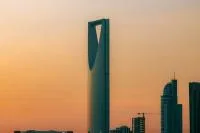
Saudi Arabia’s Vision 2030 is a transformative strategy that serves as a guide for emerging economies looking to reshape their future.
Launched in 2016, Vision 2030 aims to diversify the Saudi economy away from its reliance on oil by fostering sectors such as tourism, entertainment, and renewable energy. This comprehensive plan is a response to the rapid changes in the global economy and the need for sustainability. For many emerging markets, the lessons learned from its execution could provide a roadmap for tackling similar challenges.
Countries in the Gulf region, particularly the UAE, are closely observing the outcomes of Saudi Arabia’s initiatives. The UAE’s own Vision 2021, which focuses on creating a competitive knowledge economy, shares common goals of economic diversification and sustainable growth. Both visions reflect a desire to reduce dependency on oil revenues, which have historically shaped the economies of these states.
Investors looking toward these regions should note that the success of Vision 2030 heavily hinges on public-private partnerships (PPPs). The Saudi government has emphasized collaboration with the private sector to drive innovation and investment in various sectors. For example, the establishment of NEOM, a city designed to be a hub for technological advancements and sustainable living, relies on global investments and expertise, setting a precedent for future projects.
As Saudi Arabia positions itself as a player in the global economy, it also presents new opportunities for investors outside the Gulf region. By observing the strategies employed and the outcomes achieved under Vision 2030, businesses can make informed decisions regarding their investments. The focus on sectors such as entertainment, technology, and tourism presents openings for foreign direct investment (FDI), which can stimulate economic growth and job creation.
In conclusion, as Saudi Arabia continues to implement its Vision 2030 with ambition and resilience, the implications for emerging economies are profound. By adopting similar strategies of diversification, economic resilience, and emphasis on public-private partnerships, these countries can craft their paths towards sustainable development. The evolving landscape of the Gulf region will undoubtedly influence global economic mechanisms, making it essential for international investors and businesses to stay informed and adaptable.
Leave a Reply