
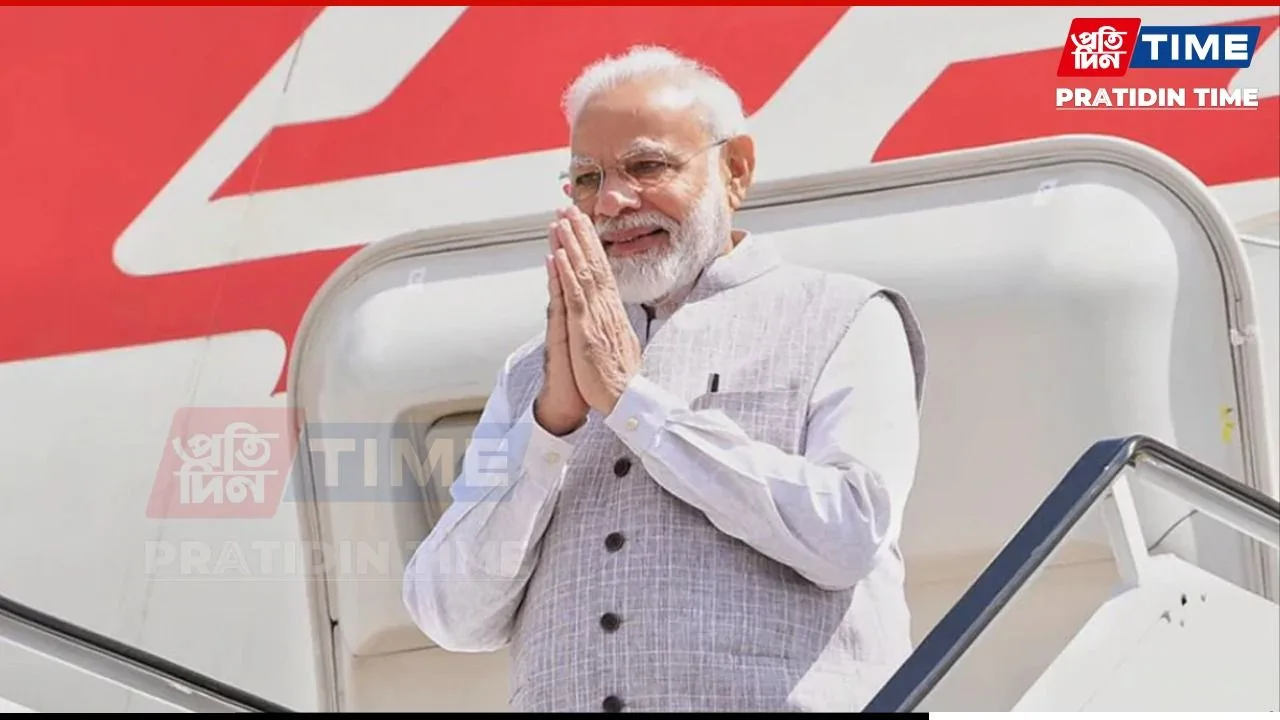
The Indian government has disclosed that the total expenditure on Prime Minister Narendra Modi’s diplomatic trips since 2021 has reached ₹557.51 crore for visits to 77 countries. This financial investment underscores the government’s strategy in enhancing India’s global presence and fostering international relationships.
As detailed in the recent report presented to Parliament, a significant portion of this budget—a total of ₹74.59 crore—has been allocated to trips in 2026 alone, prior to the G20 outreach scheduled in France, whose costs are yet to be finalized. Notably, the highest expenditure year was 2025 with ₹187.83 crore spent across 23 visits, indicating a trend of increasing diplomatic activity and investment in building bilateral ties.
For businesses and investors in the UAE and the wider Gulf region, these high-level meetings present avenues for growth. The Prime Minister’s diplomatic engagements have led to 316 bilateral agreements that span various sectors including defense, trade, and renewable energy. This indicates a potential for enhanced trade relations, paving the way for Gulf investors to explore opportunities in India’s expanding market.
Comparatively, while the financial outlay may seem substantial, it is vital to recognize that such investments in diplomacy often yield long-term benefits, particularly in attracting foreign direct investment (FDI). For instance, India received FDI worth $381.8 billion from April 2021 to December 2025, with many of these funds likely tied to the agreements activated by PM Modi’s visits. Investors should view this pattern as indicative of a supportive climate for additional investments in sectors that promise growth in India.
The costs associated with these visits highlight a commitment by the Indian government to maintain a proactive foreign policy. As geopolitical dynamics shift, the role of such investments becomes increasingly critical for nations looking to safeguard their economic interests. For example, strong ties with the Gulf Cooperation Council (GCC) could lead not only to increased trade but also to collaborative projects in energy and technology, areas where both India and the GCC members have significant mutual interests.
Looking forward, the continuation of diplomatic travels by Indian leaders is likely to persist as part of the broader strategy to bolster economic ties and attract greater investment flow. As India positions itself as a global player, the strategic importance of such high-level engagements cannot be overstated, presenting myriad opportunities for companies operating in or trading with India.
Leave a Reply