
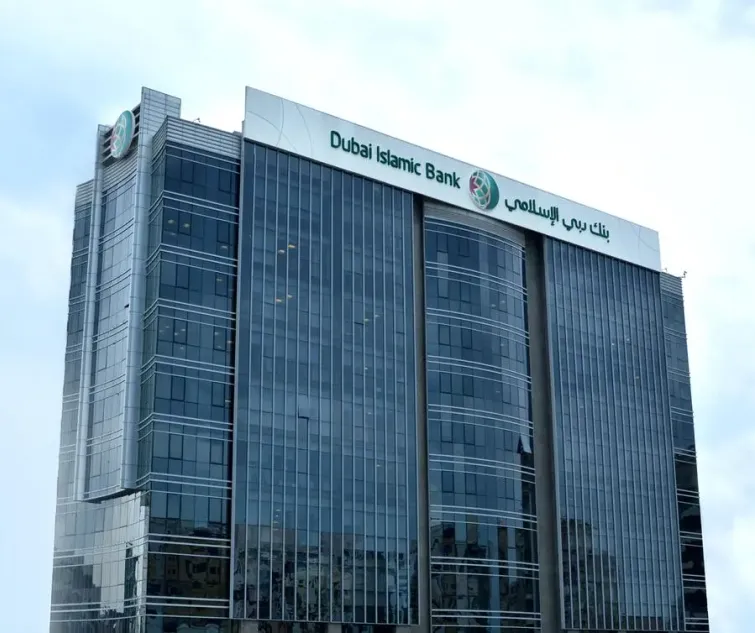
In a significant move within the UAE’s banking sector, Dubai Islamic Bank has announced its intention to acquire Emirates Islamic in an all-share transaction. This merger is set to create the largest Islamic banking group in the UAE, boasting total assets of approximately AED585 billion, and solidifying its position as the world’s second-largest publicly listed Islamic lender by asset size.
The acquisition reflects a growing trend of consolidation in the banking industry, particularly in the Gulf region. Mergers and acquisitions are increasingly seen as a strategic approach to enhance market share and operational efficiencies, especially amidst evolving economic landscapes and competitive pressures. With this merger, Dubai Islamic Bank aims not only to expand its asset base but also to diversify its product offerings and improve customer service capabilities.
With the combined resources, the newly formed entity is expected to leverage economies of scale, optimized operational processes, and a broader customer base, potentially yielding improved profitability. This merger will allow both banks to pool their strengths — Dubai Islamic Bank’s extensive branch network and Emirates Islamic’s technological innovations can synergize to create a more formidable competitor against other major banks in the region.
The implications of this merger extend beyond just the two banks involved. The Islamic banking sector in the UAE is anticipated to experience heightened competition. Other financial institutions may consider similar consolidation strategies to remain relevant and competitive in an increasingly digital and customer-centric banking environment. Investors and stakeholders will be keenly observing how this merger will reshape the market dynamics and pricing strategies across UAE’s banking sector.
Furthermore, this merger could set a precedent for future transactions within the industry. As regulatory frameworks in the Gulf region continue to evolve and become more favourable to mergers, more banks might opt for similar paths to enhance their capacities and service offerings. This could lead to a more consolidated market landscape characterized by fewer but potentially stronger banks.
Overall, as Dubai Islamic Bank proceeds with this strategic acquisition, it is poised to redefine Islamic banking in the UAE, potentially influencing the broader financial environment across the Gulf countries. Stakeholders, from investors to customers, will be watching closely as this development unfolds, considering the potential improvements in product diversity and service innovations it may bring. The banking sector could be on the cusp of a pivotal transformation, driven by these significant corporate moves.
Leave a Reply