
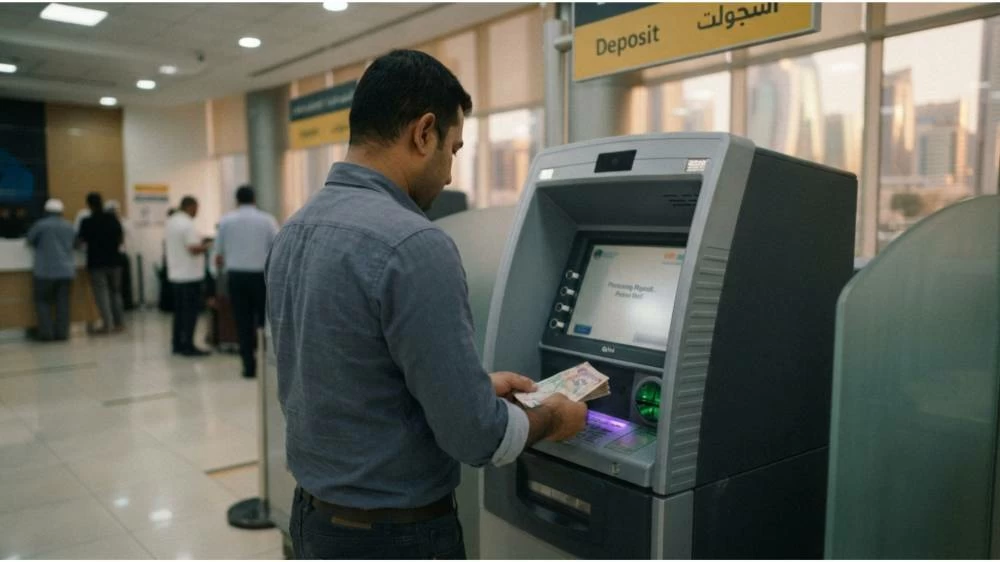
As the UAE gears up for Eid Al Etihad celebrations, local banks are ramping up efforts to attract salary transfers, offering incentives that can reach as high as Dh11,000. This surge in promotional campaigns is a strategic move by financial institutions to entice customers amid a competitive banking landscape, particularly in light of potential regulatory changes regarding debt transfers.
Recent observations indicate that several banks have introduced a variety of attractive proposals to lure clients in with cash rewards, fee exemptions, and enhanced benefits related to financing options. Notably, these incentives include a substantial reward for salary transfers, which may offer up to Dh10,000, additional credits for card usage amounting to Dh1,000, and discounts on processing fees for car and home loans.
Amidst these promotions, banks are also actively reducing interest rates for new loan products. Current offers feature rates starting as low as 2.2%, a strategy aimed at capturing the growing segment of salary earners looking for competitive financing solutions. These moves are seen as essential for banks as they navigate anticipated regulations that may impose longer wait periods before customers can transfer their financing obligations to another lender.
Experts in the banking sector, such as Amjad Nasr, suggest that the current competition not only reflects the health of the UAE banking industry but also enhances customer choice and benefits. This environment encourages financial institutions to innovate their marketing strategies and product offerings. Nasr emphasizes that salary transfers are often the starting point for a broader banking relationship, which can segue into a range of financial products such as personal loans and investment options.
However, customers are urged to be cautious and consider more than just the immediate cash rewards when selecting a bank. Factors such as interest rates, fee structures, service quality, and transaction efficiency should also weigh heavily in their decision-making process. A flashy reward might initially attract attention, but hidden costs associated with various financial products could lead to greater expenses in the long run.
Bankers like Tamer Abu Bakr highlight that the intensified marketing efforts by banks, especially around national holidays, underscore a strategic push to consolidate individual customer portfolios and promote digital banking solutions. As competition heats up, banks will need to focus on retaining clients, improving service delivery speed, and crafting financial products that align with customers’ repayment capacities and requirements. Ultimately, the forthcoming regulatory landscape might dictate future trends in customer acquisition strategies, including possible requirements for maintaining original debt obligations for a certain duration before transferring them.
The evolving dynamics in the UAE banking sector signal a broader trend that could influence both individual consumers and businesses. As customers enjoy a wider range of options and incentives, banks are likely to continue refining their offerings to stay competitive. Looking ahead, the balancing act between regulatory compliance and customer satisfaction will be pivotal in shaping the future of salary transfers and financing in the Emirates.
Leave a Reply