
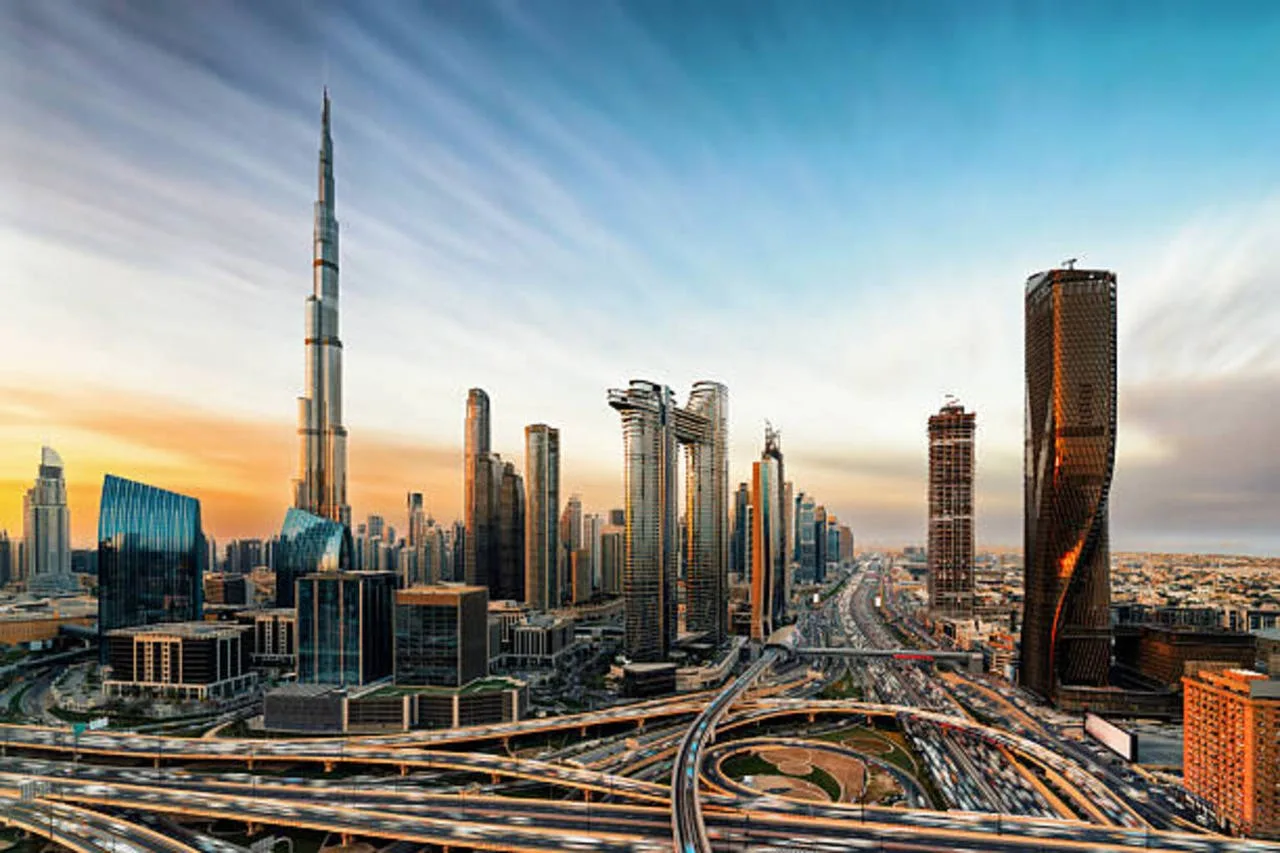
The United Arab Emirates (UAE), a federation of seven emirates, showcases a remarkable economic disparity between its regions, particularly concerning Abu Dhabi and Dubai. These two emirates are not only the most prominent in terms of population and infrastructure but also serve as the primary engines of the national economy, accounting for approximately 85% of the country’s gross domestic product (GDP). This concentration of economic activity poses significant implications for investors and businesses operating within this dynamic marketplace.
Abu Dhabi, as the capital, holds vast oil reserves, underpinning its economic strength. The emirate’s wealth has traditionally stemmed from its status as a major oil producer, giving it the financial leverage to invest heavily in non-oil sectors such as tourism, renewable energy, and technology. The government’s Vision 2030 plan underscores these efforts, aiming to diversify the economy and reduce reliance on oil revenues. This strategic shift not only stabilizes the emirate’s long-term economic prospects but also opens various sectors to investment opportunities.
Conversely, Dubai’s economy thrives on trade, tourism, and financial services, positioning it as a global city and a commercial hub. The emirate has established itself as a leading destination for expatriates and tourists alike, contributing to its robust service sector. The ongoing development of mega-projects such as Expo 2020 has further cemented Dubai’s reputation as an innovation hotspot. The diversification initiatives, including a shift towards digital economy sectors, indicate a willingness to adapt to global economic trends, attracting both foreign direct investment and talent.
The contrasting economic foundations of Abu Dhabi and Dubai create unique opportunities and challenges for investors. While Abu Dhabi may focus more on sustainable long-term investments, Dubai offers a fast-paced environment driven by tourism and hospitality. For businesses, understanding these economic frameworks is crucial when formulating market entry strategies. Investors must weigh the benefits of stability in Abu Dhabi against the vibrant and often volatile nature of Dubai’s market.
Both emirates face external pressures and competitive dynamics from other Gulf states. Nations like Saudi Arabia are investing heavily to develop their non-oil sectors, seeking to challenge the UAE’s historically dominant position. As these countries ramp up their initiatives, the UAE must sustain its competitive edge through innovation and adaptability. This competition could lead to increased collaboration within the region, fostering a more integrated Gulf Cooperation Council (GCC) market.
Looking ahead, the economic landscape of the UAE is expected to undergo significant transformations. Initiatives aimed at further economic diversification, technological advancements, and sustainability will be paramount. Both Abu Dhabi and Dubai will continue to play critical roles in shaping the future economic environment of the region. For investors and businesses, staying attuned to these developments will be essential in harnessing the emerging opportunities that arise from the evolving dynamics of these two iconic emirates.
Leave a Reply