
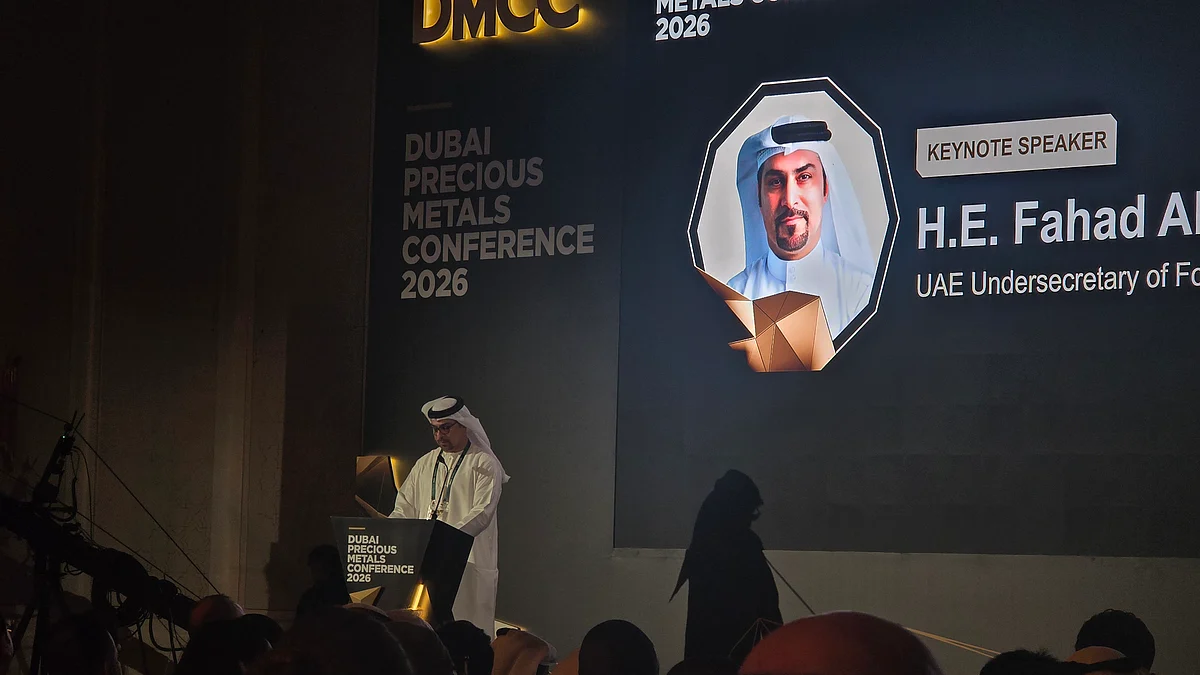
In a recent statement, Fahad Al Gergawi, the Undersecretary of the UAE’s Ministry of Foreign Trade, underscored the increasingly significant role of precious metals such as gold, silver, lithium, and cobalt within the context of the UAE’s economic landscape. This sentiment reflects a broader trend of integrating valuable materials into crucial industries such as artificial intelligence (AI), data centers, and manufacturing, marking a pivotal shift in resource utilization.
The UAE, known for its robust economic framework, is now actively promoting the strategic use of these metals in cutting-edge technologies. Precious metals are not only integral to the gold and silver markets but also serve as key components in high-tech applications. Lithium, for example, has become essential in the production of batteries for electric vehicles and energy storage systems, fulfilling the growing demand for sustainable technologies. Cobalt plays a similar role, particularly in the manufacturing of lithium-ion batteries, which are fundamental for the booming electric vehicle sector.
By highlighting the economic importance of these materials, the UAE is positioning itself as a vital player in the global supply chain for technology-related sectors. The Middle East, once primarily known for its oil reserves, is now diversifying its economic portfolio. This shift is propelled by the need to innovate and compete on a global scale, making it imperative for the region to harness its mineral wealth intelligently.
Investors and businesses looking to engage with the UAE market should note the implications of this pivot towards precious metals. As technology firms increasingly rely on these materials, there is a potential for significant returns on investment in sectors associated with mining and processing, as well as in companies focused on sustainable energy solutions. This presents a dual opportunity: to profit economically while also contributing to environmental sustainability, reflecting a growing awareness of corporate responsibility.
The spotlight on precious metals also invites comparisons with other markets in the Gulf region, particularly Saudi Arabia and Qatar, which are also seeking to diversify their economies away from oil. However, the UAE’s advanced infrastructure and strategic location provide it with a competitive edge, allowing it to attract further investments in technology and innovation. The interplay between these nations could lead to collaborative ventures and shared technological advancements in the future.
Looking ahead, the role of precious metals in the UAE’s economy seems set to expand, driven by ongoing advancements in technology and a global shift towards green initiatives. As countries worldwide commit to reducing carbon emissions, the demand for metals essential for clean energy technologies is likely to surge. The UAE’s government policies, aimed at fostering innovation and sustainability, are expected to attract further foreign investment, positioning the country as a leading hub for both precious metals and modern technological advancements in the coming years.
Leave a Reply