
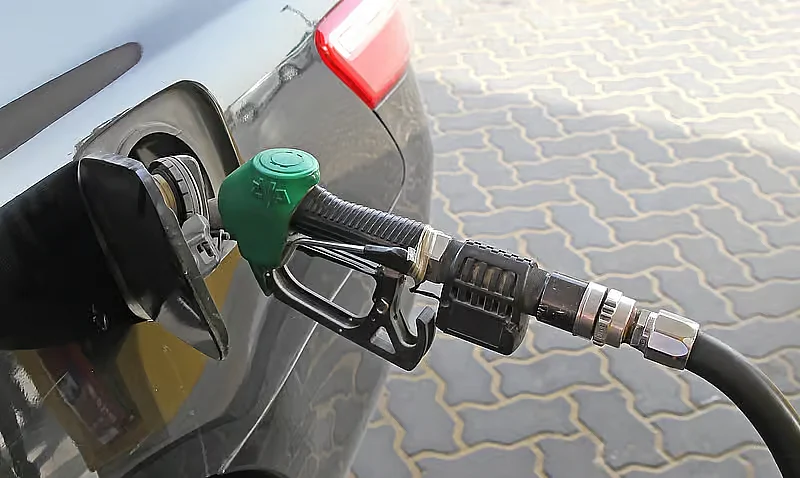
As the UAE approaches December, speculation is growing regarding a potential decrease in fuel prices, specifically for Super 98, Special 95, and diesel. Recent reports from the International Energy Agency (IEA) indicate a shift towards an oil supply surplus, raising hopes for consumers at UAE petrol stations.
This anticipated change in pricing comes in response to evolving dynamics within the global oil market. Analysts suggest that the increased availability of crude oil could lead to lower prices at the pump for consumers. The IEA’s reports indicate that several factors, including rising production rates and a weakening demand from key markets, are contributing to this surplus. Such developments could significantly impact fuel pricing in the UAE, known for its relatively low gasoline costs compared to many other countries.
In the past months, the UAE has maintained stable fuel prices despite fluctuations in global oil prices. The government typically adjusts these prices on a monthly basis according to market conditions, meaning that December’s revisions will be closely monitored by both consumers and businesses. Lower fuel prices would not only alleviate cost pressures for households but could also invigorate sectors reliant on transportation and logistics.
Comparatively, other countries in the Gulf region have experienced mixed outcomes regarding fuel pricing. For instance, Saudi Arabia has recently adjusted its fuel prices upward, primarily due to its ongoing efforts to manage budget deficits and align with long-term economic diversification goals. This adds a layer of competitive pressure on the UAE to maintain its pricing advantage, which effectively makes it an attractive market for fuel consumers.
Moreover, the potential decrease in fuel prices in the UAE raises significant considerations for investors and businesses operating in the region. Lower transportation costs can enhance profit margins for logistics firms, supermarkets, and sectors heavily dependent on fuel for operations. This scenario could result in a stimulated economy as businesses may not only save costs but potentially pass on savings to consumers, further boosting spending.
Looking ahead, if the expected trends continue, December could mark a transformative period for consumers and businesses alike in the UAE. With analysts closely observing the developments, any fluctuations in global oil supply and demand will likely exert a direct influence on the pricing strategies employed by fuel providers in the region. As we await the official announcement of December’s fuel prices, the market will remain on alert for shifts that could redefine the landscape of fuel consumption in the Emirates.
Leave a Reply