
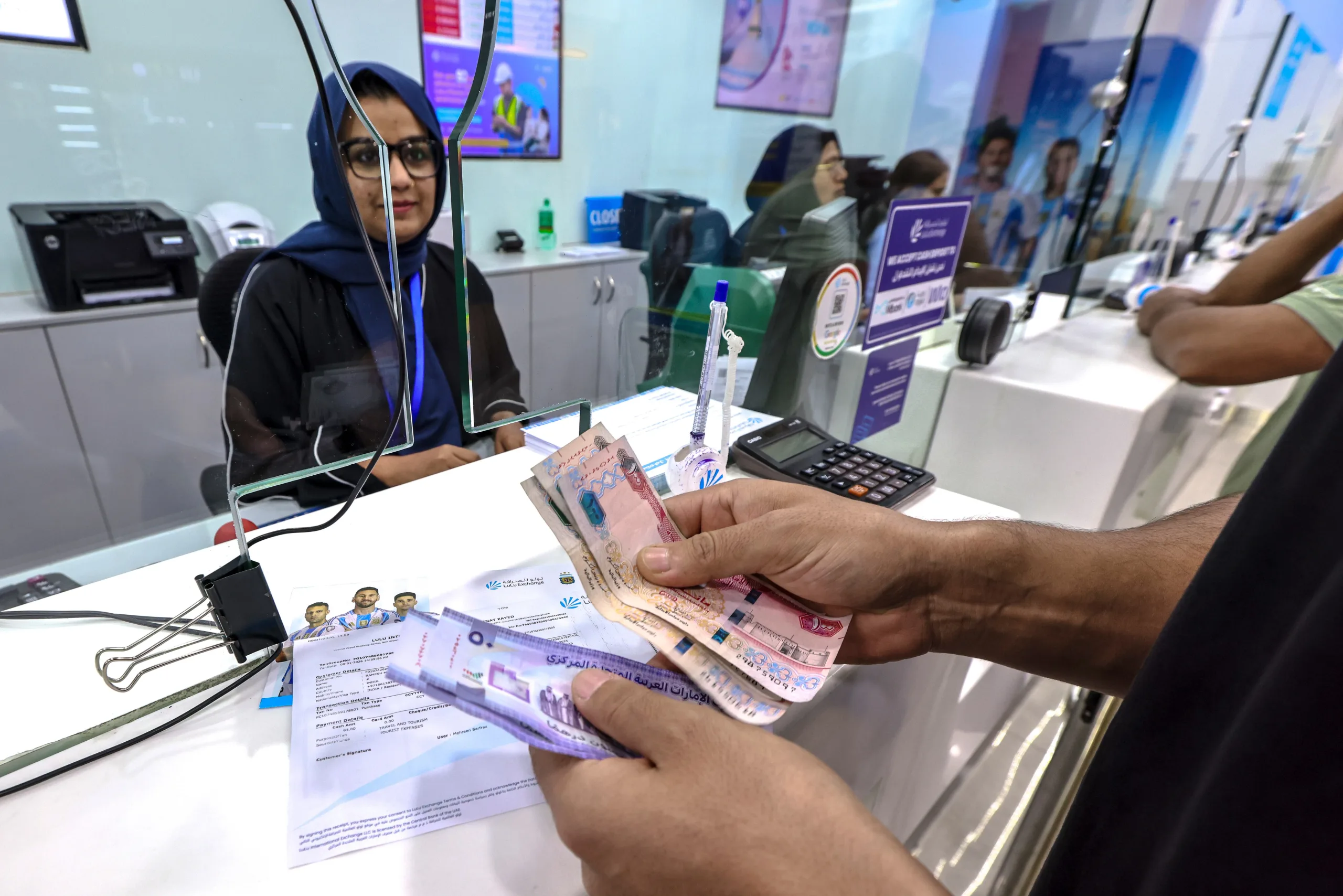
Non-resident Indians (NRIs) in the UAE are urged to prepare ahead as a three-day bank strike in India raises concerns about potential disruptions to banking services.
The strike, initiated by the United Forum of Bank Unions (UFBU), aims to protest against banking policies that union leaders believe undermine job security and labor rights. As a significant number of NRIs rely on Indian banks for various financial transactions, including remittances, housing loans, and investment services, the strike could lead to delayed transactions and increased financial strain.
For the expatriate community in the UAE, which numbers over three million Indians, the ramifications of this strike are particularly significant. Many NRIs depend on timely banking services to manage their finances effectively, especially those with families back home. Delays in fund transfers could impact household expenses and responsibilities, as many rely on remittances to support their families in India.
Moreover, this situation highlights the broader implications for investors. Real estate and investment sectors in the UAE, which have seen considerable funding from Indian nationals, may experience a temporary slowdown due to uncertainties surrounding financial transactions. The strike could lead potential investors to reconsider their timelines for purchases or investments, particularly in long-term projects that require consistent cash flow.
The Indian government has found itself in a challenging position as the strike presents an opportunity to reassess the balance between labor rights and banking strategies that may impact economic growth. A prolonged disruption could also invite scrutiny over the resilience of the banking sector in managing labor relations while maintaining service levels to NRIs abroad.
In conclusion, the three-day bank strike in India serves as a reminder for NRIs in the UAE to prioritize their banking needs before the strike takes effect. This event exposes vulnerabilities in the financial link between NRIs and Indian banks, highlighting the need for contingency plans among those engaged in regular transactions. As the situation unfolds, it will be crucial for banks and regulatory bodies to communicate effectively to mitigate fears and provide solutions that uphold financial stability for NRIs navigating this period.
Leave a Reply