
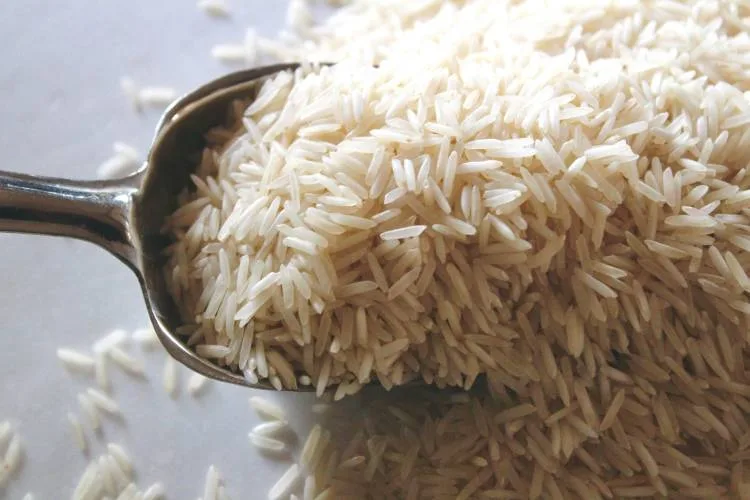
India’s basmati rice exports have seen a significant surge recently, becoming a focal point in the global agricultural market. However, the concentration of these exports in West Asia presents unique challenges that could hinder further growth.
One of the primary concerns for Indian exporters is the narrowing market base concentrated in West Asia. While regions like the UAE and Saudi Arabia have historically been valuable customers for basmati, an over-reliance on these markets could be detrimental. Economic fluctuations and changing consumer preferences in these countries could lead to a decline in demand, affecting exporters relying on this region for their business.
Moreover, Indian basmati exporters are witnessing a decline in price realizations. As the cost of production rises, margins are shrinking, putting pressure on the industry’s profitability. Competing nations, such as Pakistan and Iran, are also vying for a share of the basmati market, which makes it essential for India to innovate and differentiate its product in order to maintain its competitive edge.
The imposition of sanctions against certain nations has complicated trade routes and hampered supply chains. As geopolitical tensions rise, Indian exporters may find it increasingly difficult to navigate these challenges, leading to potential losses and uncertainty. This is particularly critical as West Asia is not only a major market for basmati rice but also a key transit route for export to Europe and beyond.
In light of these challenges, Indian exporters might need to diversify their market strategies. This could involve exploring opportunities in new regions like Southeast Asia or even within Africa, which are emerging as potential markets for premium rice. Establishing a broader customer base could mitigate risks associated with market concentration.
Overall, while the basmati export sector in India enjoys robust demand, significant challenges persist, particularly in West Asia. Strategic adjustments, innovation in marketing, and a focus on quality could help Indian exporters to thrive in a competitive landscape, ensuring that basmati remains a staple choice for consumers worldwide. As the market evolves, stakeholders will need to keep a close eye on geopolitical developments and economic trends to navigate this complex export environment effectively.
Leave a Reply