
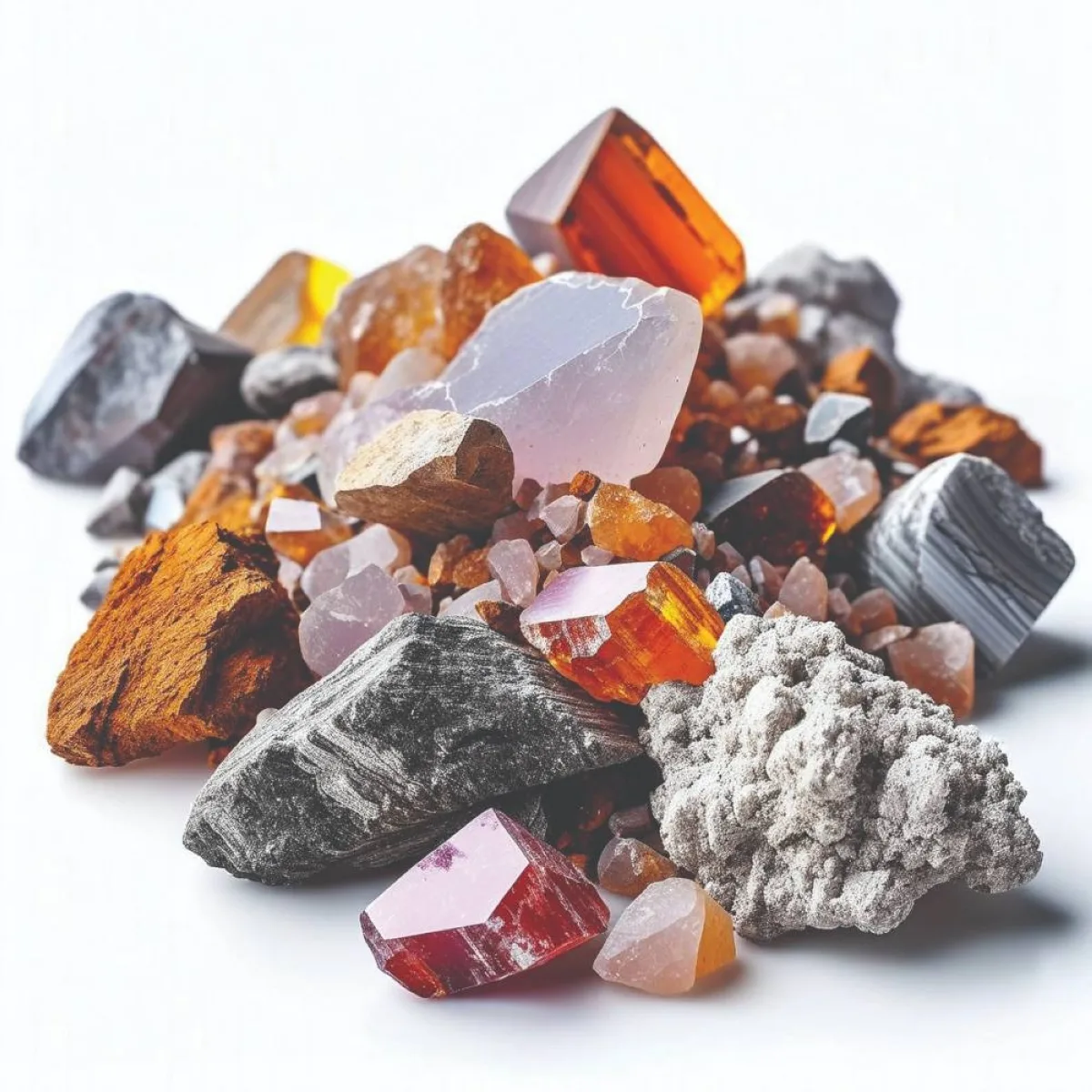
As nations within the Gulf Cooperation Council (GCC) continue their efforts to diversify their economies, the competition for critical minerals has intensified. No longer solely a matter of commercial benefit, the strategic importance of resources such as copper, lithium, cobalt, and rare earth elements is becoming increasingly evident. These minerals play a key role in powering energy systems, fortifying defence capabilities, and supporting the growing sectors of technology and data management.
The GCC’s proactive approach towards mineral resource management sets it apart from other regions. Countries like Saudi Arabia and the UAE have recognized the potential of these minerals not just for domestic industries but also for international trade dynamics. The push for mining licenses and investment in extraction technologies signifies a shift in how these countries view resource management as integral to national security and economic sustainability.
The significance of minerals such as lithium and cobalt cannot be overstated, especially in light of the global transition towards renewable energy and electric vehicles. GCC states are positioning themselves as potential leaders in this transition, with plans to harness local resources to meet both domestic demands and export needs. For instance, Abu Dhabi has taken steps towards establishing a mining sector that complements its existing oil and gas industries, thereby creating a more balanced economic portfolio.
Moreover, the competition among GCC nations can be seen as a catalyst for regional collaboration and investment opportunities. With the global demand for green technologies on the rise, GCC countries are ideally placed to benefit from this trend. The establishment of strategic partnerships with international companies and investment groups enhances their attractiveness as destinations for foreign investment in the minerals sector.
Investors and businesses looking at the GCC landscape must take note of these developments as they present a plethora of opportunities. The shift towards mining not only opens new market channels but also bolsters existing industries through the supply of essential materials. However, the transition requires careful navigation of geopolitical risks that accompany resource extraction and trade, especially as competition from dominant global players surfaces.
Looking ahead, the pursuit of mineral wealth within the GCC is set to transform the economic landscape of the region. As nations refine their strategies to optimize resource management, the integration of advanced technologies in mining and processing will be pivotal. The implications for economic resilience and diversification are profound, potentially allowing GCC countries to not just weather global market fluctuations but also to emerge as significant players in the mineral industry.
Leave a Reply