
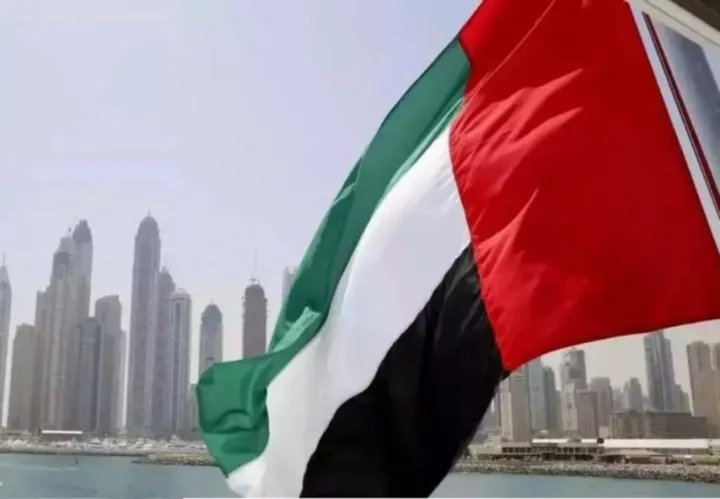
The UAE has officially announced its backing for the ambitious Nigeria-Morocco gas pipeline project, an investment that amounts to $25 billion. This project is significant as it represents a major step in enhancing energy connectivity within Africa and potentially expanding into Europe. The gas pipeline aims to link Nigeria, home to considerable natural gas reserves, to Morocco, facilitating the transportation of energy resources and promoting regional economic cooperation.
The Nigeria-Morocco gas pipeline is envisioned as a critical infrastructure project that will facilitate the movement of natural gas across West Africa and into Europe. By connecting one of the largest gas producers in Africa with Morocco, the initiative hopes to increase energy security not only for the involved countries but also for potential European consumers. This collaboration highlights the growing importance of Africa as a crucial player in the global energy market, in line with shifting energy demands.
The significance of this project for the UAE and the broader Gulf region cannot be overstated. With the UAE’s strategic interest in diversifying its energy partnerships beyond the Middle East, this initiative represents an opportunity to invest in and develop infrastructure that enhances energy security. The UAE is already a significant player in the global energy arena, and participation in such projects could further elevate its status as a leader in energy investments.
In comparison to other regional initiatives, the Nigeria-Morocco pipeline stands out for its potential to reshape energy distribution on the continent. Unlike traditional energy transport routes that have predominantly served North-South flows, this project introduces a West-East corridor that could alter the dynamics of energy trade in Africa. Furthermore, it presents opportunities for investors, as successful implementation could result in a new wave of energy investments across the region.
As the global energy landscape continues to evolve, the financing and development of such a pipeline could have multiple implications for both the Gulf and African markets. For investors in the UAE, the backing of the Nigeria-Morocco gas pipeline signifies a commitment to fostering international partnerships and exploring new economic avenues. The potential for downstream investment in processing and distribution infrastructure may also attract attention from private and institutional investors alike.
In conclusion, the UAE’s endorsement of the Nigeria-Morocco gas pipeline project signifies not only a commitment to strengthening energy ties between Africa and the Middle East but also an alignment with broader global energy trends. As the project develops, its success will likely influence energy policies and investments across the region, presenting various opportunities for collaboration and growth in the years to come.
Leave a Reply