
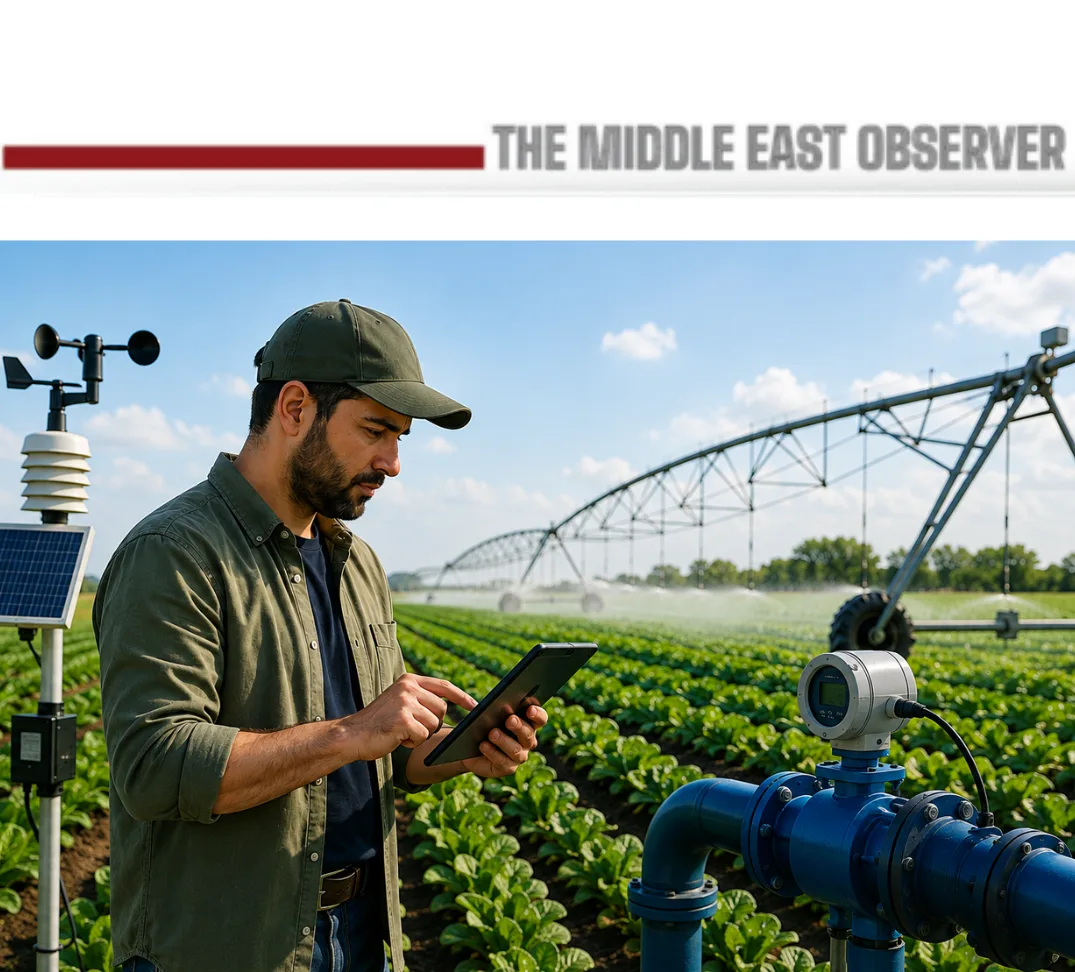
In the arid regions of the Middle East and North Africa (MENA), water scarcity has become a pressing issue, driving the agricultural sector to seek innovative solutions. As the demand for food continues to rise, the need to enhance agricultural productivity with limited water resources has taken center stage. This shift towards water innovation is establishing a new competitive advantage for countries aiming to secure their food supply and support economic growth.
The focus on water-efficient technologies is not merely a trend; it represents a strategic imperative for governments and businesses alike. Advanced irrigation systems, hydroponics, and water recycling technologies are increasingly being adopted to optimize water usage. Countries such as the United Arab Emirates (UAE) are leading the charge, implementing smart farming practices that minimize water wastage while maximizing crop yields. This proactive approach is crucial in a region where traditional farming methods are insufficient to meet contemporary challenges.
The competitive landscape among MENA countries is evolving as nations invest heavily in research and development of water-saving technologies. For instance, Saudi Arabia and Qatar are also making substantial investments in agritech, aiming to reduce the water footprint of their agricultural industries. The race for water innovation highlights an urgent need for collaboration across the region, ensuring that the best practices and technologies are shared to enhance overall agricultural efficiency.
The implications of water innovation extend beyond just agriculture. Investors are increasingly drawn to companies that offer cutting-edge solutions in water management and agricultural tech. As the global market for such technologies continues to grow, MENA countries position themselves as potential hubs for agritech innovation. This presents significant opportunities for local start-ups and established companies looking to tap into the expanding sector.
Furthermore, the shift towards water-efficient agriculture aligns with broader economic diversification strategies in the Gulf region. As oil prices fluctuate and economies seek stability, agritech emerges as a key sector that can drive sustainable development and reduce dependency on fossil fuels. By fostering a robust agriculture sector, countries like the UAE can create job opportunities, boost GDP, and enhance food security.
In conclusion, the emphasis on innovative water management systems is likely to continue shaping the future of agriculture in the MENA region. As water efficiency becomes a critical factor for success, countries investing in this paradigm shift will not only secure their food needs but also position themselves as leaders in the global agritech arena. The journey towards a water-smart agricultural landscape is still in its early stages, but the potential for transformative change is immense.
Leave a Reply