
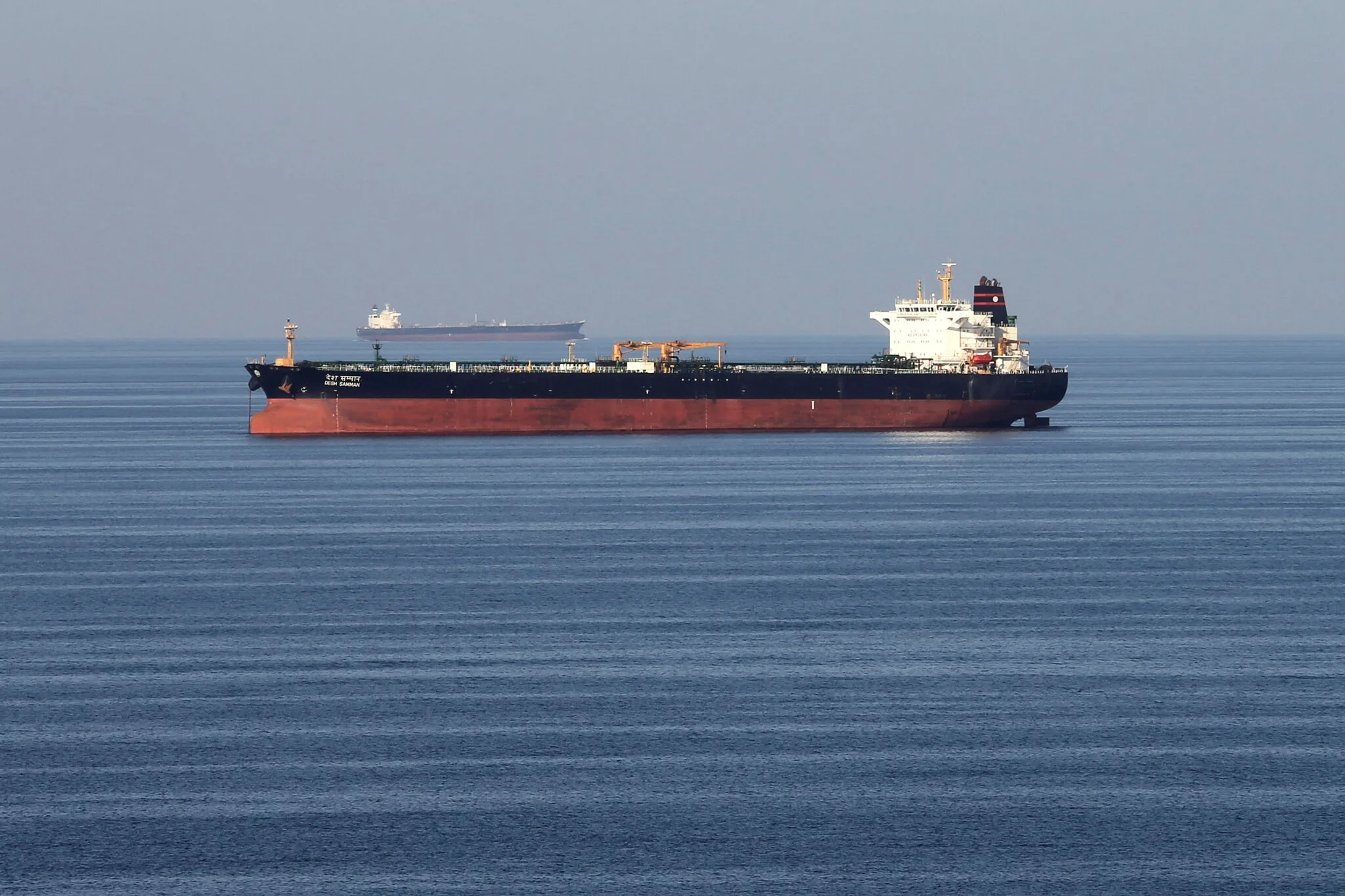
The recent proposal by former President Donald Trump to implement a significant 20% fee on oil shipments passing through the crucial Strait of Hormuz is prompting Gulf nations to rethink their export strategies. This move, along with the dissolution of the interim U.S.-Iran agreement, has created a sense of urgency among oil-producing countries to develop alternative oil export infrastructures and lessen their reliance on this key maritime route.
Strategically, the Strait of Hormuz has long been recognized as one of the world’s most vital chokepoints for oil transit, with nearly a fifth of the global supply flowing through it. Consequently, any disruption or increased costs associated with this route can have far-reaching implications for global oil prices and energy security. In light of these developments, Gulf nations are accelerating infrastructure projects aimed at securing alternative pathways for their oil exports.
This shift is not merely a reaction to geopolitical pressures but signifies a broader strategy among Gulf states to diversify their export capabilities. Countries like Saudi Arabia, the UAE, and Qatar are investing in new pipelines, ports, and transportation networks that can help facilitate oil shipments independent of Hormuz. Such investments are crucial for ensuring economic stability and maintaining their positions in the global energy market.
Leave a Reply