
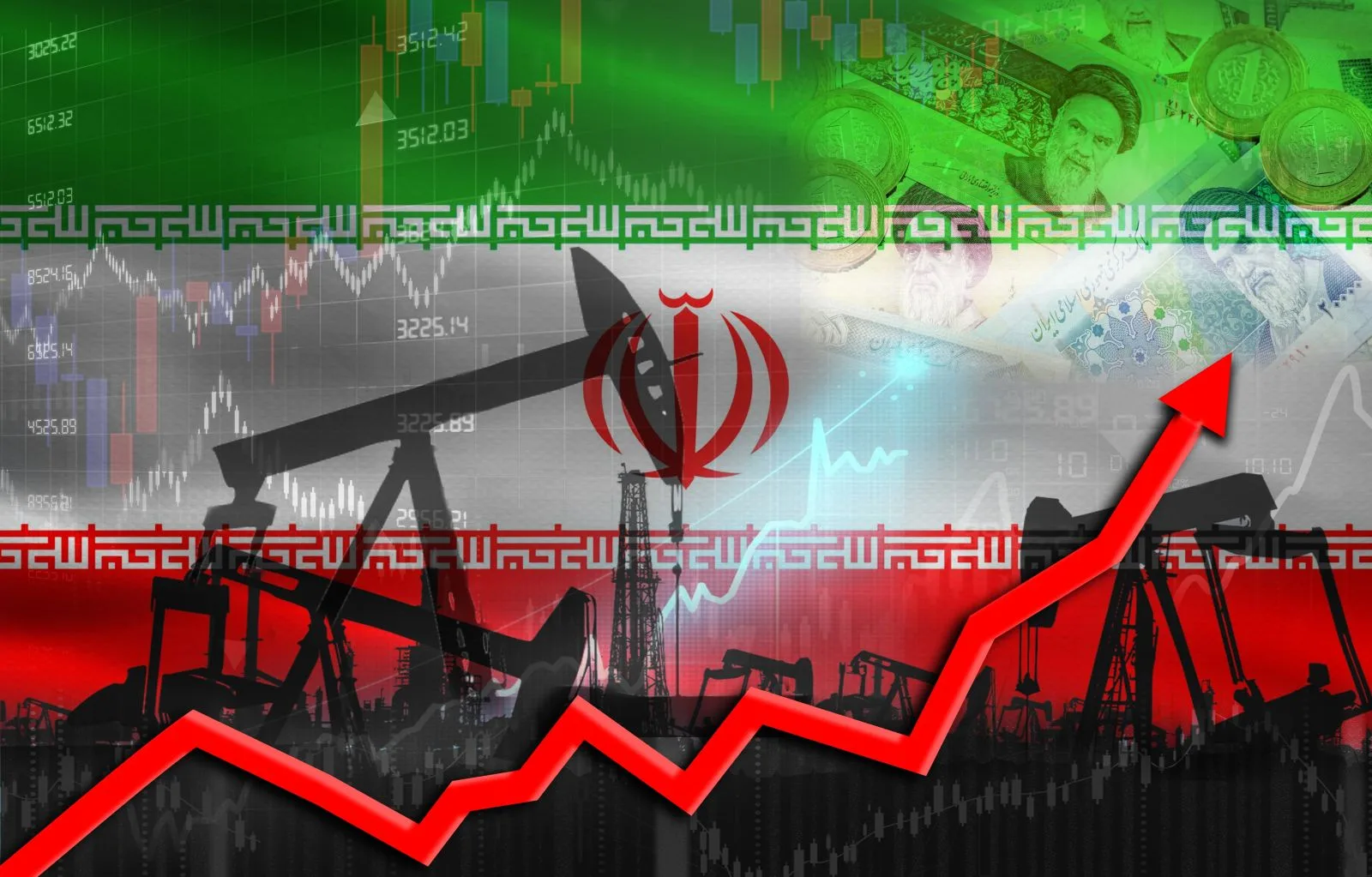
Crude oil prices have experienced a notable increase as tensions between the United States and Iran escalate following the collapse of a recent ceasefire agreement. August WTI crude oil has seen a rise of 1.04%, reaching a one-month high, while gasoline prices have risen by 1.47%, marking a 1.5-month peak. This uptick reflects the market’s sensitivity to geopolitical developments that impact supply and demand dynamics.
The volatility in oil prices is closely linked to the potential for renewed conflicts in the Middle East, a region that is critical for global oil production. Analysts suggest that any significant disruption in oil supply from this area could lead to further price hikes, underscoring the interconnectedness of geopolitical stability and energy markets.
For investors and stakeholders in the UAE and the Gulf region, these developments signal the importance of closely monitoring international relations, particularly those involving major oil-producing nations. With the region being a key hub for oil exports, fluctuations in prices can have rippling effects on local economies, potentially influencing government revenues and investment strategies.
Leave a Reply